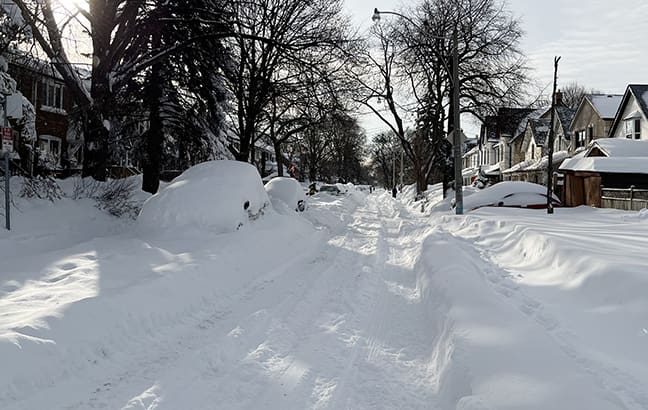

As the weather shifts and everything starts to thaw, spring is the perfect time to take a closer look at how your home held up over the winter. Small issues that go unnoticed now can quickly turn into expensive repairs later, especially when it comes to water. A simple seasonal home health check can go a long way in protecting your home and avoiding unnecessary costs.
Watch Where Water Is Going
One of the first areas to pay attention to is how water is moving around your property. If it’s not draining properly, it can collect near your foundation and lead to moisture build-up, or worse, basement flooding.
Walk the perimeter of your home and look for any signs of pooling water. Gutters and downspouts should be clear, intact, and directing water away from the house. It’s not uncommon to see sections that have shifted or loosened over the winter, and much of this damage isn’t visible from the ground. If you’re having your windows or gutters cleaned this season, it’s worth asking your service provider to flag anything that looks off.
Check Roof Edges and Flashing
The edges of your roof and the flashing are areas that tend to take the most stress through colder months. Even small gaps can allow water to seep in, leading to issues that are often hidden until they become serious.
Sometimes the signs are obvious, like missing shingles or debris around your property. Other times, the damage is subtle and only noticeable upon closer inspection. If anything looks lifted, separated, or out of place, it’s worth addressing early before it turns into a leak or moisture issue inside the home.
Inspect Outdoor Plumbing
Outdoor plumbing is another common trouble spot in the spring. After months of freezing temperatures, exterior pipes and hose connections can develop cracks or weaknesses.
You might notice a slow drip, reduced water pressure, or even water appearing where it shouldn’t inside the home. These are early warning signs that something isn’t functioning properly. Before using outdoor taps regularly, take a moment to check connections and monitor how the water flows. If anything feels off, it’s best to have it looked at before it worsens.
Test Your Sump Pump
If your home has a sump pump, this is the time to make sure it’s ready to do its job. It’s one of the most important systems for protecting your basement during heavy rain, yet it’s often overlooked until it fails.
Many pumps reach the end of their lifespan quietly, and the first sign of trouble comes when they don’t turn on during a storm. Testing it is simple and can save you a major headache. Pour water into the basin or lift the float to confirm it activates properly. If it doesn’t respond as it should, getting ahead of a repair or replacement now is far easier than dealing with water damage later.
A Simple Check That Goes a Long Way
A seasonal check like this doesn’t take long, but it can make a significant difference. Staying proactive helps maintain your home’s condition, protects its value, and gives you peace of mind heading into the warmer months.

Get To Know Wright Sisters Group
Discover the expertise behind the team with 100+ years of combined Toronto real estate experience.